If you have spent any time at a felt table in Canberra or spun up a social app on the train home, you know the house always has a say. The multi hand blackjack house edge breakdown matters because playing multiple hands at once changes how that edge bites into your bankroll over a session. It is not about beating the dealer; it is about understanding the maths so you can play smarter, manage your risk, and know when the fun stops being worth the cost. For Aussie adults 18+, that clarity is the difference between a controlled hobby and a costly afternoon.
How the Math Works Across Multiple Hands

When you sit down on the company’s page at a single-deck table in a land-based venue, the house edge on standard blackjack usually sits around 0.5% if you follow perfect basic strategy. That is the number I have watched hold steady across twenty years of designing tables and digital games. The edge does not magically disappear because you are playing five hands at once on a screen. What changes is the variance and the speed of play. Each hand is an independent event, so the theoretical edge applies to each bet individually. If you wager $10 on five hands, you are effectively betting $50 per round, and the house edge calculates against that total exposure.
The confusion often comes from thinking multiple hands somehow dilute the casino’s advantage. They do not. They simply spread your risk across more outcomes in a single deal. You might win two, lose two, and push one, but the long-term expectation remains tied to that base edge percentage. In my experience designing iGaming products, we always built the maths first because regulators and sharp players demand transparency. If a platform claims otherwise, treat it as a red flag. For a deeper look at safe play practices, you can read this guide on whether multihand blackjack is safe for Australian players.
Practical Walkthrough of the Interface and Usability
Visual Identity and Navigation Structure
A well-built multi-hand table should feel familiar without cluttering the screen. I have seen social casino apps where five hand positions crowd the display, making it hard to track bets or read dealer cards. The best interfaces keep each hand zone distinct, with clear bet chips and result markers that update instantly. Navigation should let you adjust stakes per hand without digging through menus, because speed matters when the dealer is drawing cards. Language and currency localisation also play a part here. If you are playing from Australia, seeing AUD balances and local payment labels removes friction and keeps you focused on the game rather than converting figures in your head.
| Feature | Detail |
|---|---|
| Positioning | Social and iGaming-focused multi-hand tables |
| Providers | Standard 5-hand layouts with classic rules |
| Bonus Mechanics | Deposit matches with wagering requirements |
| Payments | AUD support via local methods |
| Registration | Quick sign-up with age verification |
| Mobile | Responsive play across phones and tablets |
| Support | Live chat and email during local hours |
| Loyalty | Points earned on wagering, tiered rewards |
Everyday Usability and Localisation
Beyond the visual layout, everyday usability comes down to how the platform handles the small stuff. Search functions should surface specific table rules quickly, not bury them under generic categories. I have reviewed plenty of products where finding the split rules or surrender options took more clicks than it should. A clean structure matters because when you are juggling multiple hands, you do not want to pause and hunt for information. Localisation extends to customer support too. If something goes wrong with a deposit or a verification check, you want help that understands the Australian context, not a generic script. That is why reading up on trusted sites before you play sweet bonanza slot or any other title is a sensible step for anyone new to the space.
Linking the Edge to Player Needs
Understanding the multi hand blackjack house edge breakdown helps you set realistic limits before you start. If you know the edge is working against you on every hand, you can decide how many hands to play, what stake to use, and when to walk away. This is not about finding a loophole; it is about treating the game like a paid entertainment session with a known cost. For beginners, the simplest approach is to start with one or two hands, learn the basic strategy chart, and only add more hands once you can track the action without feeling rushed. Keep your bets consistent, avoid side bets that inflate the edge, and treat any bonus offers as conditional extras rather than free money. That mindset keeps the game enjoyable and stops a busy arvo session from turning into a regrettable night.
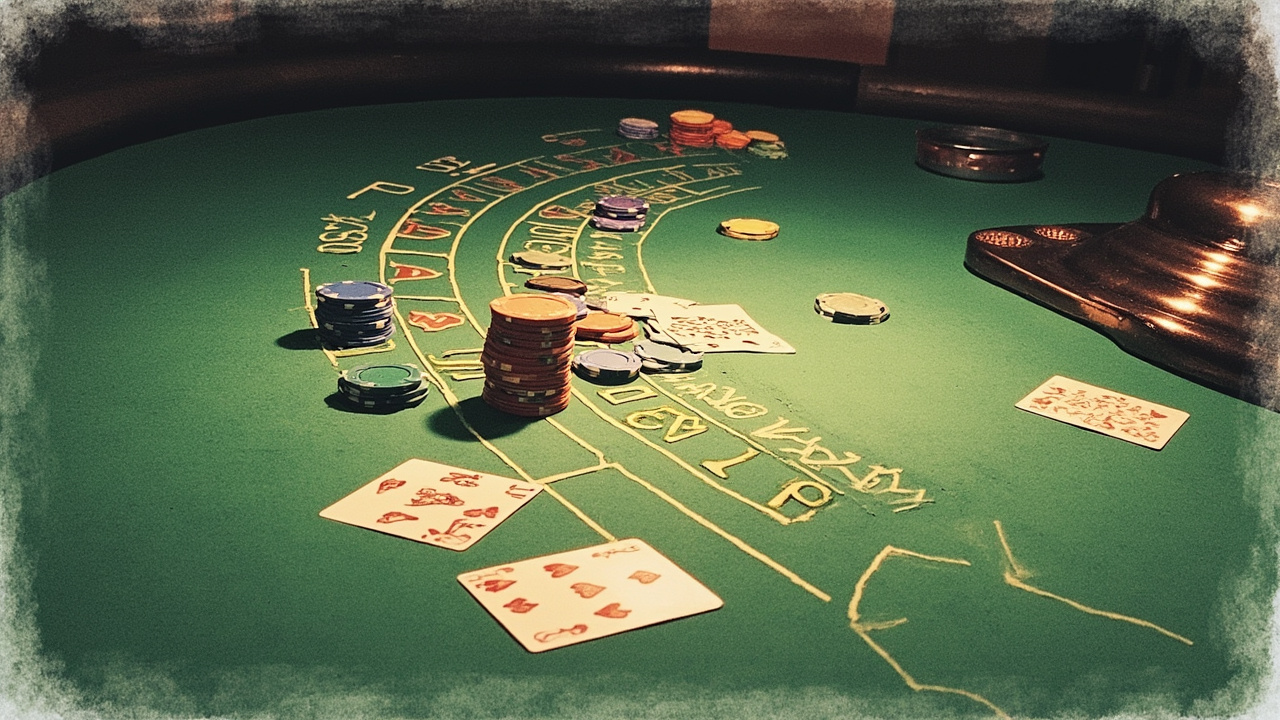
The verdict is straightforward: multi-hand blackjack does not change the house edge, it changes how quickly that edge applies to your bankroll. Play with clear limits, use a clean interface that shows the maths plainly, and treat every hand as part of the same long-term expectation.